A shocking story claiming American tourists died from a “murder hornet” attack while ziplining in Southeast Asia has spread across social media, but investigation reveals zero credible evidence supporting this sensational tale.
Story Snapshot
- No reputable news outlets, government agencies, or scientific sources confirm the alleged hornet attack incident
- Comprehensive database searches reveal no official records of American deaths from hornet swarms in Southeast Asia
- Asian giant hornets rarely attack humans unless their nests are directly disturbed
- The story appears to be fabricated misinformation exploiting fears about “murder hornets”
Complete Absence of Credible Documentation
Extensive searches of major news databases, scientific literature, and official government reports yield absolutely no evidence of the reported incident. No U.S. State Department announcements, Southeast Asian government statements, or consular alerts mention such an attack. The story lacks basic journalistic elements including victim names, specific locations, hospital records, or eyewitness accounts that would accompany any legitimate international incident involving American citizens.
This fabricated story undermines public trust in legitimate news reporting, a cornerstone of our constitutional republic. Americans deserve factual information, not sensationalized hoaxes that prey on natural concerns about foreign travel safety and wildlife encounters.
Murder hornet swarm kills U.S. father, son ziplining in Southeast Asia https://t.co/TopWljMyGS
— Bo Snerdley (@BoSnerdley) November 5, 2025
The Real Science Behind Asian Giant Hornets
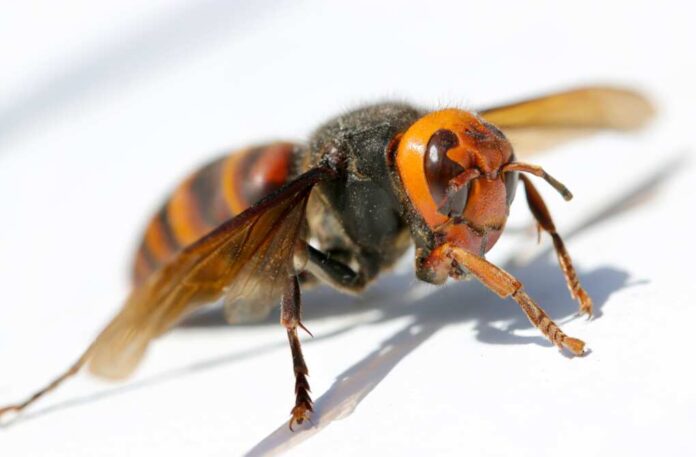
Asian giant hornets, scientifically known as Vespa mandarinia, are indeed the world’s largest hornets and possess potent venom. However, entomological research consistently shows these insects attack humans only when their ground nests are directly threatened. The hornets prefer low mountain forests and typically nest in abandoned rodent burrows. Fatalities in their native Asian range occur rarely, usually involving multiple stings or severe allergic reactions in rural agricultural settings, not coordinated swarm attacks on tourists.
In Japan, several dozen deaths annually result from all hornet, wasp, and bee stings combined, but scientific literature contains no documentation of mass attacks targeting tourists engaged in recreational activities. The species was successfully eradicated from the United States in December 2024 after brief detection in the Pacific Northwest from 2019-2021, demonstrating effective government response to legitimate invasive species threats.
Media Sensationalism Versus Scientific Facts
The “murder hornet” nickname, coined by media outlets during the North American detection period, exemplifies how sensational labeling can distort public understanding of natural phenomena. Entomologists consistently emphasize that while these hornets pose legitimate risks, coordinated swarm attacks on humans represent extremely rare behavior. The fabricated ziplining story exploits these exaggerated fears, creating unnecessary anxiety about Southeast Asian travel and outdoor recreation activities.
This pattern of misinformation particularly concerns conservative Americans who value accurate reporting and distrust media manipulation. When false stories circulate unchecked, they undermine confidence in legitimate news sources and create confusion about real safety concerns abroad. American families planning international travel deserve factual risk assessments, not fabricated horror stories designed to generate clicks and social media engagement.
Sources:
Asian giant hornet – Wikipedia
Asian Giant Hornets – Penn State University Extension
Asian Giant Hornet Research – National Center for Biotechnology Information
Asian Giant Hornet Guide – Oregon State University Extension