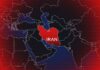
A U.S.-brokered land corridor near Iran’s border sparks fierce warnings from Tehran, exposing deepening threats to American interests and regional stability—and raising urgent questions about foreign influence and security in the South Caucasus.
Story Snapshot
- Iran’s president has visited Armenia to protest the new “Trump Route” corridor, which Iran fears will lead to U.S. military and corporate encroachment near its borders.
- The TRIPP corridor, part of a U.S.-led peace deal, is reshaping regional alliances and exposing old rivalries between Iran, Armenia, and Azerbaijan.
- Tehran has warned that the project could isolate Iran from the Caucasus and has threatened a strong response if American forces are deployed in Armenia.
- Armenian leaders are seeking to balance promises to the U.S. and Azerbaijan with reassurances to Iran, as talks remain tense.
Iran Confronts U.S.-Backed Corridor Threatening Regional Balance
On August 18, 2025, Iranian President Masoud Pezeshkian arrived in Armenia for urgent talks after the launch of the controversial “Trump Route for International Peace and Prosperity” corridor. This new land route, a centerpiece of a recent U.S.-brokered peace deal, links Azerbaijan to its Nakhchivan exclave via Armenian territory. Iranian leaders see the project as a direct challenge to Iranian sovereignty, warning that the presence of American military or corporate interests in the region could tip the balance of power and erode Iran’s longstanding influence.
Iran president heads to Armenia for talks on US-backed corridorhttps://t.co/5zP8RZncF1
— MTV English News (@MTVEnglishNews) August 18, 2025
Iran’s concerns are rooted in decades of South Caucasus rivalry. The region’s volatile history—marked by wars between Armenia and Azerbaijan and shifting alliances—has always been shaped by outside powers. With the U.S. now brokering the TRIPP corridor deal, Iran fears being boxed out of regional trade and diplomacy. Iranian officials, including Foreign Minister Abbas Araghchi, have openly warned Armenia that accepting American involvement risks inviting foreign military bases and undermining the security of border communities.
Diplomatic Tensions and High-Stakes Negotiations in Yerevan
During his visit, President Pezeshkian met with Armenian leaders, including Prime Minister Nikol Pashinyan, to voice Iran’s objections to the TRIPP corridor. The Iranian delegation demanded explicit assurances that no U.S. military forces or security contractors would be stationed in Armenia as part of the agreement. While Armenian officials have publicly attempted to reassure Tehran, stating that the corridor is intended solely for peaceful transit and economic development, the specifics of any foreign presence remain vague.
Iran’s statements have grown sharper in recent days. Senior advisers to the Supreme Leader have warned that Tehran “would not allow the creation of the planned corridor” and threatened that any area hosting American forces could become “a graveyard for Trump’s mercenaries.” Meanwhile, negotiations in Yerevan continue, with both sides emphasizing the importance of bilateral ties and regional stability. No final resolution has been announced as of August 19, with Pezeshkian scheduled to continue his diplomatic push in Belarus.
Regional Power Dynamics and Conservative Values at Stake
The TRIPP corridor’s impact extends far beyond local borders. For American conservatives, the story highlights critical issues: the dangers of unchecked globalism, the need to defend national sovereignty, and the ever-present threat of foreign overreach. The presence of U.S. negotiators and companies in the region may seem like a win for American influence, but it also risks entangling the U.S. in complex foreign disputes and could undermine core values of limited government and prudent international engagement. Iran’s vocal opposition and threats of retaliation reinforce the need for vigilance against any move that could erode constitutional checks on military action or weaken America’s stance against adversarial regimes.
Families and businesses in the South Caucasus face uncertainty as new trade routes and border arrangements disrupt daily life. The risk of militarization or proxy conflict looms if foreign forces are deployed near Iran’s borders, with local communities likely to bear the brunt of any instability. For Armenia, the challenge is to navigate between securing peace and prosperity and avoiding alienation of key partners—while for the U.S., the priority must remain defending American interests without falling into the trap of overcommitment or unintended confrontation in a historically volatile region.
Sources:
Pezeshkian seeks assurances in Armenia, will hit Belarus next
Iran, Armenia sign agreements as Pezeshkian warns against US presence
Pezeshkian visits Armenia amid tensions over corridor
Pezeshkian praises Armenian community, stresses historic ties