

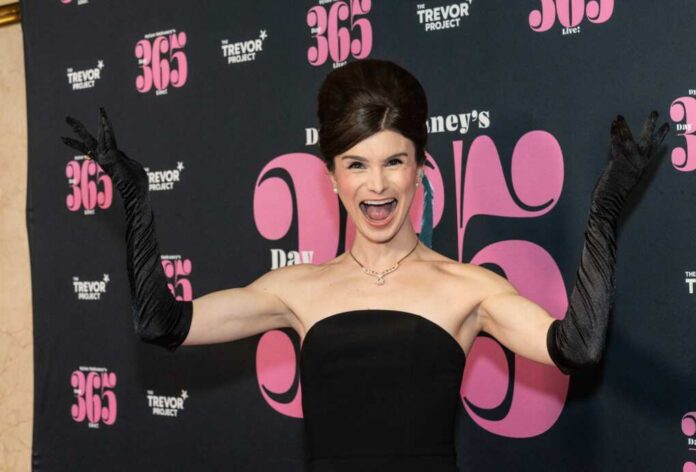
Transgender influencer Dylan Mulvaney’s casting as Anne Boleyn in Broadway’s “Six the Musical” is causing a storm of controversy, with critics arguing that it undermines women-centered productions.
Story Highlights
- Dylan Mulvaney, known for a controversial past with Bud Light, has been cast in a pivotal role in “Six the Musical.”
- The casting decision has sparked outrage among critics who argue it sidelines female performers.
- Producers have responded to backlash by restricting social media access.
- Mulvaney describes the role as a “miracle,” highlighting ongoing debates about gender representation in the arts.
Mulvaney’s Casting Sparks Debate
Dylan Mulvaney’s appointment to the role of Anne Boleyn in “Six the Musical” has ignited a fiery debate over gender representation in theater. Critics argue that casting a transgender performer in a role traditionally played by women displaces female actors, a sentiment exacerbated by Mulvaney’s controversial background with Bud Light. The casting decision reflects broader tensions about representation in the arts, where identity politics often clash with traditional roles.
The producers of “Six the Musical” have faced significant backlash online, leading them to lock down their social media accounts. This move comes as a reaction to the intensified debate surrounding Mulvaney’s casting, which critics claim undermines the show’s feminist themes. Supporters of the decision argue that the musical, known for its modern reinterpretation of historical figures, should reflect contemporary values, including transgender inclusivity.
Dylan Mulvaney calls Broadway role a ‘miracle’ after backlash over Anne Boleyn castinghttps://t.co/XJAhRY1NyF
— Michael J Franklin (@RichardCaruso22) January 21, 2026
Historical Context and Cultural Implications
“Six the Musical” is celebrated for its pop-feminist portrayal of King Henry VIII’s wives, transforming historical figures into empowered, modern women. However, the decision to cast Mulvaney as Anne Boleyn has brought the show’s commitment to historical accuracy and feminist ideals into question. This reflects a broader cultural conflict over how historical narratives are adapted in modern entertainment, with opinions sharply divided on the inclusion of transgender actors in traditionally female roles.
The controversy echoes previous corporate and cultural clashes, such as the Bud Light boycott that significantly impacted the brand’s sales following Mulvaney’s involvement. These precedents highlight the potential economic and social consequences of such casting decisions, which could influence future industry standards around inclusivity and representation.
Public Reaction and Political Ramifications
The public’s response to Mulvaney’s casting ranges from support to outrage, illustrating the polarized nature of contemporary gender debates. For many conservative audiences, this decision is seen as another example of progressive agendas infringing on traditional values and female representation. The backlash also underscores ongoing political tensions surrounding diversity, equity, and inclusion (DEI) initiatives within the entertainment industry.
As the debate continues, the long-term impact of Mulvaney’s role on Broadway’s casting practices remains uncertain. The outcome could set a precedent for how theaters balance historical narratives with modern inclusivity, influencing both audience expectations and industry standards in the years to come.
Sources:
Dylan Mulvaney Calls Broadway Role a ‘Miracle’ After Backlash Over Anne Boleyn Casting