American commanders are now choosing which Iranian projectiles to stop, and some are being left to fly through on purpose.
Quick Take
- NBC News reported that U.S. military commanders are intercepting some Iranian missiles and attack drones while letting others pass.
- Two senior United States officials told NBC that the goal is to save a shrinking stock of interceptor missiles.
- The practice reflects a wider war problem: air defense weapons are costly, limited, and not always worth firing at every target.
- The reporting adds fresh pressure on Congress and the Pentagon as the Iran fight drains stockpiles and raises cost concerns.
Why some Iranian projectiles are being left alone
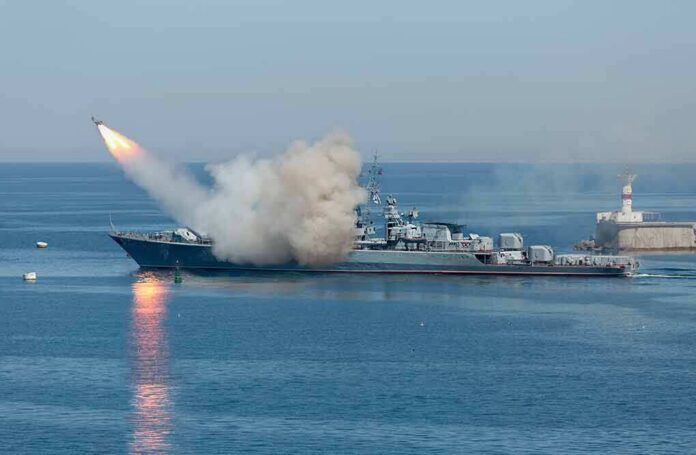
NBC News reported that U.S. military commanders have been picking and choosing which Iranian missiles and explosive-packed drones to intercept. The report said some attacks are being allowed through defenses to preserve the Pentagon’s shrinking supply of interceptor missiles. That means the decision is not a mistake in every case. It is a deliberate tradeoff made under pressure, with commanders trying to save high-end weapons for threats that matter most.
Two senior U.S. officials told NBC that commanders use judgment before firing. According to related reporting, they may skip an interceptor if a projectile is unlikely to hit American forces, damage key facilities, or threaten allies in the area. That kind of triage is common in missile defense, where every shot is expensive and every magazine is limited. The issue becomes sharper when attacks keep coming and stocks begin to run low.
The stockpile problem behind the decision
The core problem is simple: air defense is not unlimited. The United States has already spent heavily on interceptors in the Iran conflict, and outside reporting has described concern about how long those supplies can last. U.S. military officials have also been pushing for more spending on drones and air defenses tied to the Iran war. When commanders save interceptors, they are trying to avoid a deeper shortage later in the fight.
That creates a hard public message. A missile that is not intercepted can look like a failure on television or social media. On the battlefield, though, commanders may see it as a way to protect scarcer systems for a larger threat. That tension helps explain why this NBC report landed so sharply. It shows a war run on arithmetic, not slogans, and it exposes the limits of even advanced American defenses.
What this says about the wider war
The report fits a larger pattern seen throughout the Iran fight: both sides are working through munitions, launchers, and air defense limits. Public reporting has said Iran still retains significant missile and drone capability, even after major strikes on its network. Other coverage has described how U.S. and allied leaders have warned they may not be able to stop every incoming drone or missile. That means the battlefield is being shaped as much by inventory as by strategy.
For readers across the political spectrum, the story touches a familiar frustration. Americans want the military to protect troops and bases, but they also want honest answers about cost, readiness, and what the country can actually sustain. When commanders must ration interceptors, it raises bigger questions about preparedness and spending discipline. It also shows how quickly a modern war can force painful choices that are hidden from public view until a report like this brings them out.
Sources:
zerohedge.com, nbcnews.com, facebook.com, reddit.com, cnn.com, jpost.com, foxnews.com, pbs.org, militarnyi.com