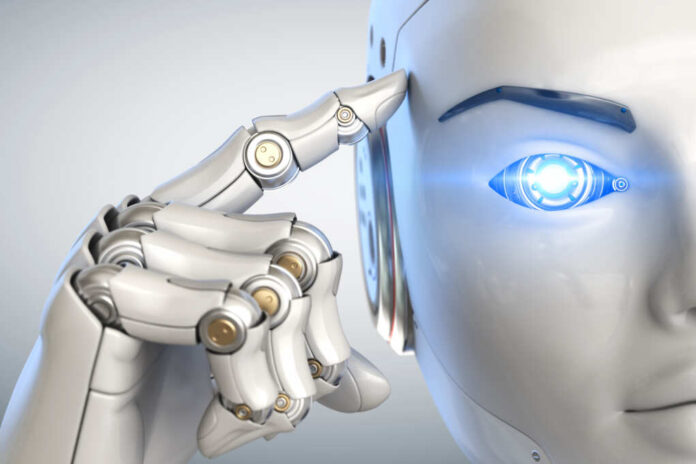
China’s latest spectacle showcases humanoid robots, raising questions about the future of AI in global leadership.
Story Highlights
- First-ever World Humanoid Robot Games held in Beijing, China.
- Over 500 robots from 280 teams, representing 16 countries, participated.
- Robots performed sports, arts, and entertainment showcases.
- China leverages this event to assert leadership in AI and robotics.
Beijing Hosts First-Ever World Humanoid Robot Games
The World Humanoid Robot Games opened in Beijing on August 14, 2025, marking a historic occasion for robotics and artificial intelligence. This event, featuring over 500 robots from 280 teams across more than 16 countries, showcased the potential of humanoid robots in sports, dance, and musical performances. Beijing’s selection as the host city highlights China’s ambition to be a leader in AI and robotics innovation.
China’s heavy investment in robotics is paying off as these games not only serve as a platform for technological showcase but also as a tool for international collaboration. The event’s opening ceremony highlighted the country’s advancements in AI, with humanoid robots exhibiting capabilities like autonomous movement and teamwork. Despite some technical glitches, such as robots occasionally stumbling, the overall success of the event underscores the rapid advancements in this field.
The first-ever World Humanoid Robot Games kick off in China: Photos https://t.co/lu1UdVFz0j pic.twitter.com/jWVgQflhfz
— New York Post (@nypost) August 14, 2025
Historical Context and Technological Advancements
The evolution of humanoid robots has been remarkable, stemming from early research in the 20th century to today’s sophisticated machines capable of intricate tasks. China’s commitment to becoming a global leader in AI has driven this progress, with significant investments aimed at surpassing competitors on the international stage. The World Humanoid Robot Games are a testament to these efforts, drawing inspiration from the Olympic Games and existing robotics competitions.
Robotics competitions have typically focused on industrial or non-humanoid robots, but the World Humanoid Robot Games exclusively highlight humanoid robots. This shift not only emphasizes the entertainment potential of robots but also their application in real-world scenarios, such as disaster response and service industries. The games have sparked increased public interest and media coverage, potentially accelerating future developments in the field.
Global Implications and Future Prospects
In the short term, the World Humanoid Robot Games have heightened public interest and media focus on robotics, paving the way for increased international collaboration. In the long run, the event could significantly boost the development and integration of humanoid robots into everyday life, impacting industries such as entertainment, sports, and services. These games symbolize a milestone for robotics, with the potential to redefine the role of AI in society.
China’s leadership in hosting this event demonstrates its strategic positioning in the global AI race. As these humanoid robots continue to evolve, they could assume roles traditionally held by humans, fostering both excitement and concern about their impact on jobs and society. The World Humanoid Robot Games are just the beginning of this new era in robotics, with China at the forefront of this transformative journey.
Sources:
Beijing’s First World Humanoid Robot Games Opens with Street Dance and Martial Arts
Beijing’s First World Humanoid Robot Games Opens