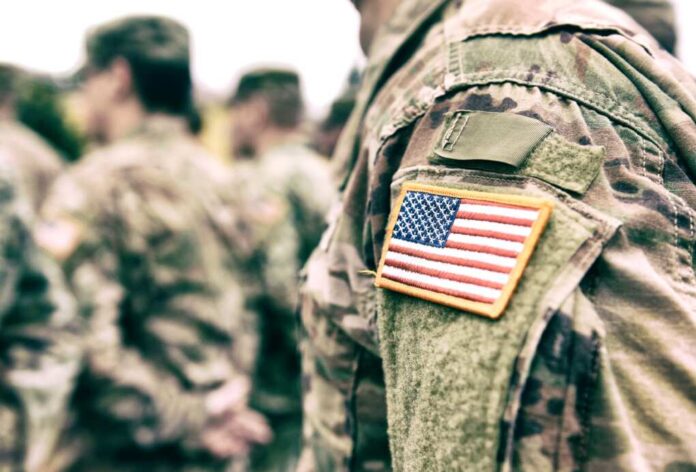
The Air Force reinstates job patches, boosting morale and reversing a controversial decision.
Story Overview
- The Air Force reinstates duty identifier patches after a year-long ban.
- The ban had led to widespread discontent and morale issues.
- New leadership prioritizes morale and heritage over standardization.
- Reinstatement reflects a broader cultural reset in the Air Force.
Reinstatement of Duty Identifier Patches
On January 9, 2026, the Air Force officially reinstated duty identifier patches on the Operational Camouflage Pattern (OCP) uniforms, marking a significant policy reversal. Initially banned by former Chief of Staff Gen. David W. Allvin, the patches were removed to foster a unified warfighting identity. However, this decision sparked widespread criticism and morale issues among Airmen, who saw the patches as symbols of their expertise and heritage.
Under the new leadership of Gen. Kenneth S. Wilsbach and Chief Master Sgt. of the Air Force David R. Wolfe, the patches were reinstated as part of a broader effort to boost morale and address the concerns of rank-and-file members. The reinstatement is highlighted as a key change in the updated dress and appearance regulations, which aim to balance individual recognition with team unity.
New guidance clarifies rules on mandatory uniform items and personal appearance, reinstating duty identifier patches.
📰 More details: https://t.co/YLUz5FeSvL pic.twitter.com/LGK7XMIlxn
— U.S. Air Force (@usairforce) January 9, 2026
Importance of Patches for Airmen
Duty identifier patches, worn on the left sleeve, denote an Airman’s job or specialty, such as Security Forces (SF), Ammunition (AMMO), or Weather (WX). They are distinct from unit or command patches, focusing on the individual’s role rather than their organizational affiliation. For many Airmen, these patches are a source of pride and identity, representing the technical expertise and community heritage that contribute to the Air Force’s mission.
During Allvin’s tenure, the removal of these patches was justified as a move towards a unified warfighter identity, deemphasizing individual specialties. However, the backlash from Airmen highlighted a disconnect between leadership’s vision and the lived experiences of the force, leading to a reevaluation under Wilsbach’s leadership.
Broader Implications of the Policy Reversal
The reinstatement of duty identifier patches is not only a morale booster but also a testament to the power of feedback and the willingness of leadership to adapt. It sets a precedent for responsive policy-making, where unpopular decisions can be revisited in light of rank-and-file sentiment. This change aligns with other morale-focused initiatives, such as the return of morale T-shirts and reduced inspection tempos, reflecting a shift towards valuing the unique contributions of Airmen.
Looking ahead, the Air Force’s decision to embrace specialty-based identifiers underscores a commitment to balancing unity with recognition of individual expertise. This strategic move supports efforts to enhance retention and recruitment, particularly in technical and critical specialties, by visibly valuing the distinct roles within the force.
Sources:
Airmen Duty Identifier Patches Coming Back
Air Force Job Patches Back
Air Force Announces Updates to Dress and Appearance Regulation
USAF Reinstates Duty Identifier Patches for OCP Uniforms