President Trump’s renewed threat to send National Guard and immigration agents into Chicago signals a direct challenge to local authority and a bold escalation in the fight against crime and government overreach.
Story Snapshot
- President Trump has reiterated his intent to deploy federal troops and agents to Chicago, citing high crime rates.
- Chicago Mayor Brandon Johnson and Illinois Governor J.B. Pritzker has condemned the potential action.
- The situation has reignited a national debate over the balance between federal and local power.
- The use of a “Department of War” meme and other militaristic imagery in a recent social media post has drawn criticism.
Trump’s Statements and Local Opposition
President Donald Trump has again stated his intent to deploy the National Guard and federal agents to Chicago. In a social media post, he used a “Chipocalypse Now” meme, which showed him against a fiery Chicago skyline with helicopters. He also stated, “I love the smell of deportations in the morning Chicago about to find out why it’s called the Department of War.” The president has justified the potential action by citing what he describes as “out-of-control crime” in the city.
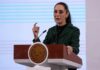
Chicago Mayor Brandon Johnson and Governor J.B. Pritzker has repeatedly and publicly opposed the potential federal intervention. Mayor Johnson signed an executive order prohibiting Chicago police from assisting federal authorities with civil immigration enforcement. Governor Pritzker has stated that any deployment of federal troops would violate the U.S. Constitution and has vowed to challenge the action in court.
'PREPARE FOR WAR'
Trump issues clearest warning yet that Chicago will be the subject of a federal law enforcement operation.
'You will find out why it's called the War Department now!'
[Developing] pic.twitter.com/8YTVwmkHVG
— iSource News (@isource_news) September 6, 2025
Legal and Constitutional Boundaries
The president’s threats have brought renewed attention to the Posse Comitatus Act, which generally restricts the use of federal military forces for domestic law enforcement. Legal experts have noted that while the act has exceptions for certain emergencies, its core purpose is to prevent the use of the military as a police force.
The Trump administration’s legal authority to deploy federal troops over the objections of state and local leaders is a subject of intense debate. Legal challenges to past federal deployments, such as in Portland and Los Angeles, have resulted in federal court rulings that have restricted their scope. This incident underscores the legal and constitutional tensions between the executive branch and state and local governments.
Political and Community Response
The standoff in Chicago is a focal point for public debate on crime and federal power. Supporters of the administration’s position argue that the scale of crime in Chicago justifies a strong federal response. Conversely, critics argue that a federal deployment could heighten tensions, erode public trust in law enforcement, and risk the rights of law-abiding citizens. Local community leaders in Chicago have issued “Know Your Rights” guides and organized protests in preparation for any potential federal action.
As of recent reports, no troops have been deployed to Chicago, but both sides have stated they are prepared for a prolonged political and legal battle.
Sources:
Trump renews threat to send ICE, military to Chicago, Boston
‘We’d love to go into Chicago’: Trump after controversy over ‘war’ meme