Cuba’s communist regime faces its most catastrophic economic collapse in three decades as traditional allies Russia and China stand paralyzed, unwilling to risk President Trump’s wrath by extending a lifeline to the failing socialist dictatorship just 90 miles from American shores.
Story Snapshot
- Cuba endures worst economic crisis since the 1990s with 12+ hour blackouts and severe rationing after Venezuela oil shipments halted following U.S. intervention
- Russia and China, once reliable backers, refuse decisive aid to Cuba fearing economic reprisals from Trump administration
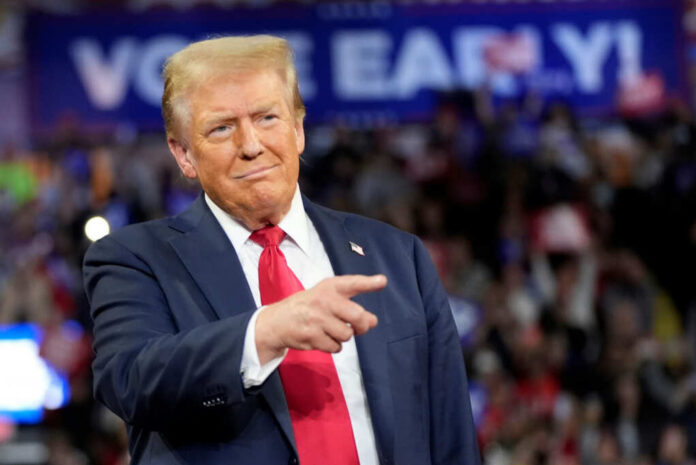
- President Trump warned “no more money or oil” to Cuba, leveraging Venezuela success to isolate communist regime
- Cuban GDP contracted 11% in 2020, inflation hit 24%, and 80% of citizens report conditions worse than 1990s “Special Period”
- Desperate Díaz-Canel regime forced into vague negotiations with U.S. as economy grinds to complete halt
Trump’s Venezuela Victory Severs Cuba’s Economic Lifeline
The U.S. intervention in Venezuela during January 2026, resulting in the capture of Nicolás Maduro, severed Cuba’s primary economic artery. Venezuelan oil subsidies had propped up the island’s socialist economy since the 2000s through arrangements trading Cuban doctors for cheap fuel. Cuba received no fuel shipments in December 2025, and only a single 85,000-barrel delivery from Mexico arrived in January before supplies dried up completely. This marks a fundamental shift from past crises—direct American military success eliminated Cuba’s key patron, demonstrating the effectiveness of decisive action against socialist regimes that threaten hemispheric stability.
Communist Allies Abandon Cuba Under U.S. Pressure
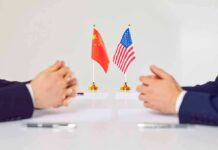
Russia and China, historically willing to support communist Cuba as a geopolitical thorn in America’s side, now hesitate to extend meaningful assistance. President Trump’s explicit warning that there would be “zero” aid or oil to Cuba, combined with tightened embargo enforcement, created an environment where traditional allies fear economic sanctions or diplomatic consequences. This calculated strategy exposes the hollow nature of socialist solidarity—when faced with real costs, even longstanding ideological partners prioritize their own interests. The regime’s vulnerability without foreign subsidies reveals the inherent failure of centralized economic planning that cannot sustain itself without constant external life support from other failing states.
Blackouts and Rationing Echo 1990s Desperation
Daily life in Cuba has deteriorated to conditions reminiscent of the post-Soviet “Special Period” collapse of the 1990s, with blackouts exceeding 12 hours in many provinces and transportation paralyzed. The regime announced an “updated” economic program in February 2026 calling for rationing, closures, and what officials euphemistically termed “restrictive measures”—language that barely masks the return to “zero option” survival strategies. Surveys indicate 80% of Cubans view the current crisis as worse than the 1990s catastrophe, when the Soviet Union’s collapse ended subsidies. GDP contracted 11% in 2020, another 1.1% in 2024, with inflation at 24% and foreign currency reserves depleted. Shops close, agriculture stalls, and frustration builds in streets and markets as the regime demands “effort and creativity” from citizens already pushed beyond breaking points.
Regime Forced Into Negotiations As Collapse Looms
President Miguel Díaz-Canel’s government, cornered by economic reality, entered vague negotiations with the United States focusing on migration and potential political concessions. Analysts like Sergio Ángel note the regime is buying time but cannot sustain operations without income, predicting imminent collapse absent external intervention. The exchange rate reached 466 Cuban pesos per dollar, reflecting currency free fall. Mexican President Claudia Sheinbaum offered food aid and examines resuming oil shipments, but remains cautious under U.S. pressure. Expert perspectives suggest gradual U.S. talks may yield prisoner amnesties or minor reforms, but the Trump administration holds overwhelming leverage. This represents a textbook case of failed socialism confronting reality—decades of centralized control, suppression of free markets, and dependence on foreign handouts culminate in a regime unable to provide basic electricity or food.
Strategic Implications For American Interests
Trump’s approach—combining Venezuela intervention with economic isolation and willingness to negotiate from strength—offers a roadmap for dealing with authoritarian regimes that threaten regional stability. The Caribbean Council notes U.S. options include maintaining the blockade or engaging military and government elites seeking change, creating internal pressure for reform. Cuba’s potential collapse tests whether America can accelerate the end of a hostile communist state without direct military action, using economic tools and diplomatic isolation. Long-term implications include possible demographic exodus toward U.S. shores and regional instability, but also the opportunity to eliminate a decades-long adversary that has supported anti-American movements throughout Latin America. The situation vindicates conservative principles: socialism inevitably fails, American strength deters adversaries, and strategic patience combined with decisive action produces results where decades of accommodation did not.
Sources:
Facing economic collapse, a cornered Cuba is forced into dialogue with the US – El País English
Cuban regime promises updated version of economic program – CiberCuba
Seven Charts on Cuba’s Economic Woes – AS/COA
Cuba Briefing – Caribbean Council