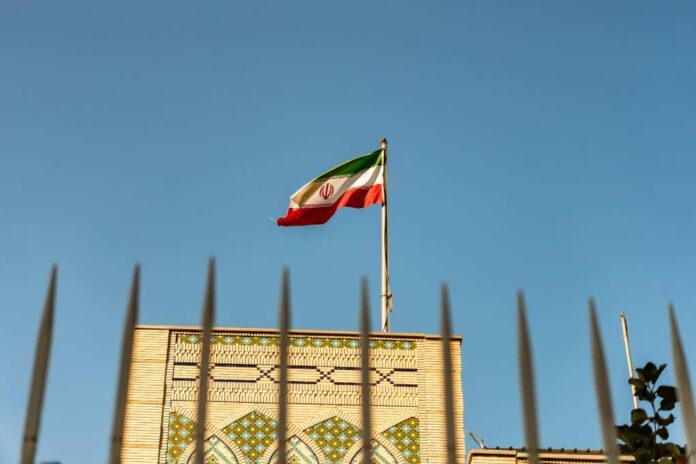
Iran’s theocratic regime faces its most serious economic uprising since 2022, as shopkeepers and merchants join nationwide protests over a currency collapse.
Story Highlights
- Iranian rial crashes to record low of 1.45 million per dollar, sparking merchant-led protests across major cities
- Food prices surge 72% while inflation hits 42%, forcing traditional regime supporters into the streets
- Protests spread from Tehran’s Grand Bazaar to universities nationwide, with chants of “Death to the Dictator”
- Regime deploys IRGC forces and shuts down provinces while protesters demand end to costly foreign proxy wars
Economic Collapse Triggers Merchant Uprising
Shopkeepers at Tehran’s historic Grand Bazaar initiated strikes on December 28, 2025, after Iran’s currency plummeted to unprecedented lows following a devastating 12-day war with Israel. The rial lost 40% of its value post-war, creating pricing chaos that threatens to bankrupt import-dependent businesses. Merchants who historically supported the regime now chant against economic mismanagement, marking a dangerous defection from the Islamic Republic’s traditional base of support.
Inflation reached 42.2% in December 2025, with medical goods prices jumping 50% alongside the food price surge. The regime’s prioritization of foreign proxy wars over domestic economic stability has created a perfect storm of popular anger. Water and energy crises compound the economic devastation, while planned tax hikes scheduled for March 2026 promise further hardship for struggling families.
Watch:
Protests Spread Beyond Economics to Regime Change
What began as merchant strikes has evolved into broader anti-government demonstrations spanning dozens of cities including Isfahan, Shiraz, and Kermanshah. Students have joined the movement, expanding demands beyond economic relief to fundamental political change. Protesters chant “Neither Gaza nor Lebanon, My Life for Iran,” directly challenging the regime’s costly support for Hamas and Hezbollah while Iranian citizens suffer.
The Islamic Revolutionary Guard Corps deployed tear gas and live ammunition against demonstrators in Tehran and Hamadan, while ordering shutdowns in 21 provinces under the pretense of “cold weather.” Brigadier General Ahmad Vahidi’s appointment as IRGC Deputy Commander on December 31 signals the regime’s preparation for serious suppression efforts, echoing tactics used during previous uprisings.
The Final Battle?: Iran Protests Spread As Prices Surge, Currency Hits Record Low https://t.co/qq6qiJikO3
— TYLΞR 🏴☠️ (@anonymous_ib) December 31, 2025
Regime’s Foreign Policy Costs Fuel Domestic Anger
Unlike the 2022 Mahsa Amini protests focused on women’s rights, these demonstrations directly link Iran’s economic collapse to its expensive proxy wars across the Middle East. Protesters explicitly reject the regime’s foreign adventures while demanding attention to domestic needs. The war with Israel reduced oil revenues and triggered UN snapback nuclear sanctions, creating a cascade of economic disasters that ordinary Iranians can no longer tolerate.
Supreme Leader Ali Khamenei faces the most serious challenge to his authority since taking power, as traditional allies in the merchant class abandon their support. The regime’s decision to prioritize Hezbollah and Hamas over Iranian citizens has backfired spectacularly, with protesters demanding an end to costly foreign interventions. This represents a fundamental threat to the Islamic Republic’s revolutionary ideology and regional ambitions.
Sources:
2025–2026 Iranian protests – Wikipedia
Iran’s biggest protests in years are back. Here’s what’s driving the anger – Gulf News
Social movement led by shopkeepers shakes the Iranian regime – Le Monde
Iran International News Coverage
Iran Update December 29, 2025 – Institute for the Study of War
Iranian protests expand from economy as students demand freedom, end to regime – ABC News