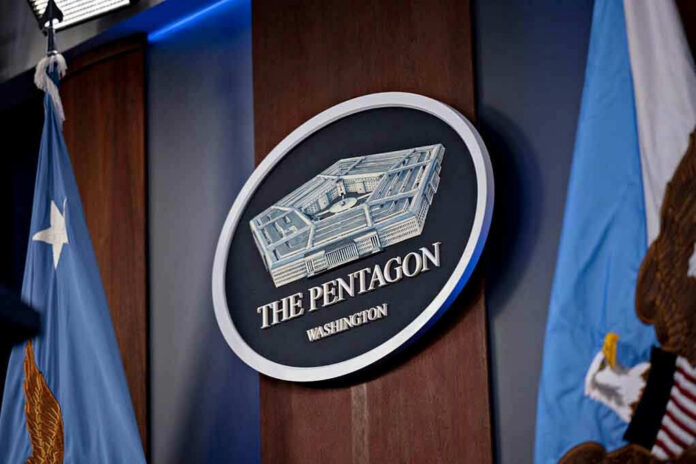
When the world’s most secure military building has to lock down because of mystery air inside its own walls, it raises hard questions about safety, secrecy, and trust in the people running the show.
Story Snapshot
- A sudden “air quality issue” forced a hazmat lockdown and evacuations inside the Pentagon, with no clear cause named.
- Officials called the move “precautionary,” but firefighters treated it as a hazardous materials incident with gas masks and protective suits.
- The episode fits a long pattern of vague government language around environmental risks, from base contamination to past air-safety scandals.
- Both conservatives and liberals who already distrust the “deep state” see another sign that insiders know more than they tell the public.
What We Know About the Pentagon Lockdown
On Thursday, emergency crews locked down parts of the Pentagon after building systems flagged an unexplained “air quality issue.”[1] Several floors and corridors were sealed, some staff were evacuated, and others were ordered to shelter in place while alarms were checked.[2][4][6] Arlington County fire and rescue officials said they were investigating a **hazardous materials incident** and sent in teams trained for dangerous chemicals.[2][5] At the time of reporting, no injuries or specific substance had been confirmed, and officials stressed that safety systems were working as designed.[1][3]
Pentagon spokesperson Sean Parnell said the building has “sophisticated systems” to protect occupants and that those systems had “detected an air quality issue necessitating precautionary measures until we determine its significance.”[2][4] Media reports said firefighters and other responders wore gas masks and chemical protection suits as they moved through affected areas.[2][3] Floors two through five and several corridors were locked down, and a shelter-in-place order was in effect for part of the building.[2][3][4] Officials described the steps as standard protocol during any suspected airborne hazard.
Precaution or Problem? Why the Language Feels So Vague
Officials framed the response as a precaution rather than proof of a major chemical release, and they have not publicly identified any gas, toxin, or other substance.[1][2][5] That careful wording fits a wider pattern in emergency communication: agencies often use generic terms like “air quality issue” or “hazardous materials situation” while tests are still underway. Yet many Americans, left and right, have watched government agencies underplay or muddy air hazards before, such as when the Environmental Protection Agency said the air was safe near Ground Zero after 9/11 despite limited data and later evidence of dangerous pollutants. This history makes calm language sound less like reassurance and more like spin.
Military families and veterans also know that toxic exposure has been a slow-moving crisis inside the defense world for decades. The Department of Veterans Affairs lists a long menu of cancers and lung diseases now presumed to be linked to airborne hazards from burn pits, fuel, and other fumes. Investigations have found that the Pentagon and other agencies downplayed or delayed action on so-called “forever chemicals” used in firefighting foam, which contaminated groundwater around many bases and nearby communities.[8] When people see yet another “issue” inside the Pentagon, with no quick, clear answer, it taps into years of frustration with how slowly the system owns up to environmental risks.
Why This Incident Hits a Nerve Across the Political Divide
For conservatives who already distrust big government and global bureaucracies, a locked-down Pentagon over mystery air feeds the sense that powerful insiders cannot even keep their own house in order, yet still demand the public’s trust and tax dollars. For liberals worried about environmental rollbacks and health protections, the lack of detail raises fears that air and chemical safety are once again being handled behind closed doors, with political messaging taking priority over full transparency.[8] Both sides see a pattern: problems surface, lawyers and spokespeople step in, and ordinary workers are the last to know what they were breathing.
#BREAKING | Pentagon put on lockdown over air quality issue; Hazmat teams respond
— WJBF (@WJBF) June 11, 2026
The deeper frustration goes beyond this one scare. The Pentagon is supposed to be one of the best-protected buildings on Earth, yet even there, people suddenly had to shelter in place while waiting for tests and talking points.[1][4][6] Millions of Americans face far worse conditions every day near polluted bases, industrial sites, and highways, with far fewer sensors and far less media attention.[8] When government leaders from both parties move slowly on long-known hazards, then offer only vague phrases during fresh scares, it reinforces a growing belief that the system protects itself first and the public second.
Sources:
[1] Web – Pentagon Floors on Lockdown Due to ‘Hazardous Materials Incident’
[2] Web – Pentagon on lockdown and staff evacuated over ‘hazardous materials …
[3] Web – Pentagon locked down as hazmat crews investigate building: officials – …
[4] Web – Hazardous materials scare at Pentagon prompts lockdown and evacuations
[5] Web – Pentagon locks down over “hazardous materials incident”
[6] Web – Fire Officials Report Hazardous Materials Incident at Pentagon
[8] Web – New Safety Review Ordered at Pentagon’s Anthrax Labs Following …