China’s top leadership ordered an all-out rescue after a glacier collapse sent deadly floods across the Nepal–Tibet border, exposing how fragile mountain communities are when nature and governance collide.
Story Snapshot
- President Xi Jinping directed nationwide rescue and relief after the border floods.
- Security forces deployed to Gyirong Port in Tibet to aid evacuations and search efforts.
- Nepal and China reported hundreds dead and many missing as operations resumed.
- Scientists and officials linked the disaster to a glacier collapse and barrier-lake risks.
Orders From Beijing And The First Response
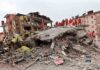
President Xi Jinping ordered all-out efforts to find the missing and protect survivors after flash floods hit near the Nepal–China border on August 26, 2026. His directive called for fast evacuations and medical care to limit deaths. Chinese reports said 145 members of the People’s Armed Police from the Xigaze detachment moved to Gyirong Port in Tibet to support the response that day. These steps aimed to stabilize the area and restore basic safety for stranded residents.
Chinese state and local agencies focused on search and rescue, road clearing, and supply routes into Gyirong County. Crews worked along damaged corridors where mud and rock choked rivers and crossings. Border logistics mattered because families, traders, and workers use this route daily. The first phase aimed to open access for ambulances and heavy equipment. Command posts tracked missing-person reports from villages and transport hubs to set priorities for teams in the field.
Scale Of Losses On Both Sides Of The Border
Nepal’s government reported hundreds of deaths and many more missing as rescue flights shuttled food and evacuees. Chinese outlets noted deaths and large numbers missing in Tibet as well. As weather and terrain allowed, both countries expanded searches and moved relief supplies. On August 28, China said it had assessed a new barrier lake upstream and judged the overflow risk manageable, allowing suspended operations to restart and more teams to re-enter damaged zones.
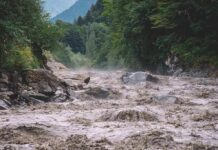
Reporters and officials described a chain of events starting with a huge collapse of ice, rock, and mud high in the Himalayas. The surge roared through narrow valleys and border towns, burying homes and worksites. Broad coverage from Nepal and China framed the disaster as a glacier-driven flood, with a mud and debris mix that smashed roads and bridges. China’s state broadcaster described a temporary lake forming upstream, with millions of cubic meters of water held back and watched closely.
Why A Glacier Disaster Turns Cross-Border Fast
Steep valleys and shared rivers make the Nepal–Tibet frontier highly exposed. Past studies show that Nepal has logged dozens of major glacial lake floods since the 1970s, with many starting outside its borders. When ice or a moraine dam fails, water and debris can cross into the next country within hours. That is why both sides emphasized coordination on airlifts, road access, and data on the missing, even as each managed its own emergency posts and local needs.
Nepal will have to rebuild around 20,000 houses in flood-ravaged areas, as rescuers continued to search for workers trapped in tunnels linked to hydropower projects and thousands remain missing after last week’s catastrophe.
Read more: https://t.co/b5oDTHuXhQ#MediaSelangor… pic.twitter.com/Gug1dnXBUd
— MediaSelangorEN (@MediaSelangorEn) September 3, 2026
Officials and scientists said the priority moved from rescue to stabilization, then to longer-term rebuilding. Nepalese cities discussed housing and public works for displaced families, while Chinese officials monitored slopes and lakes that could break again. This event underscored how disaster plans must include cross-border alert systems, shared maps, and clear contacts. It also showed that early numbers often change during the first days, as teams reach remote sites and confirm names and locations.
Sources:
theatlantic.com, newindianexpress.com, economictimes.indiatimes.com, reuters.com