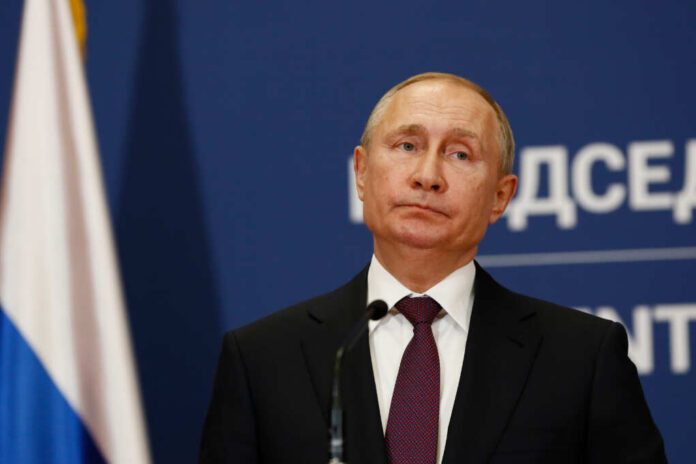
A new claim by Russia threatens to sabotage US-led peace efforts, leaving many questioning its credibility.
Story Highlights
- Russia claims Ukraine attacked Putin’s residence with drones, but provides no evidence.
- French sources dismiss the attack as a potential disinformation campaign against Trump’s peace plan.
- Ukraine denies involvement, suggesting the claims aim to derail diplomatic momentum.
- Continued peace talks hinge on resolving these tensions without escalating conflict.
Russia’s Claim of Drone Attack on Putin’s Residence
On December 29, 2025, Russian authorities reported a drone attack on President Vladimir Putin’s residence in Valdai, a claim swiftly rejected by French intelligence sources. The attack, alleged to be Ukrainian, was labeled an “act of defiance” against the peace agenda led by US President Donald Trump. However, no credible evidence has been presented to support Russia’s claim, raising suspicions of a potential disinformation strategy to undermine ongoing peace discussions.
Ukraine’s President Volodymyr Zelenskyy has firmly denied any involvement in the alleged attack, describing the claims as false and strategically designed to disrupt diplomatic progress. This denial aligns with previous instances where Ukraine was accused of aggression without substantiation. The absence of visual proof or debris from the supposed attack location further fuels skepticism about Russia’s narrative.
🚨🇺🇦🇷🇺 CIA ASSESSMENT CONCLUDES UKRAINE DIDN'T TARGET PUTIN'S RESIDENCE, CONTRADICTING MOSCOW'S CLAIMS
U.S. national security officials said Wednesday that Ukraine didn't target Putin or his residence in any recent drone strike.
A CIA assessment reportedly found no attempted… https://t.co/nR2zK1HGke pic.twitter.com/c2aR7nY6Ea
— Mario Nawfal (@MarioNawfal) December 31, 2025
French and Western Reactions
French President Emmanuel Macron’s sources have dismissed Russia’s allegations, highlighting the lack of evidence even after thorough cross-verification with intelligence partners. This uncommon rebuttal from a NATO ally strengthens the Western stance against what is perceived as a Russian attempt to manipulate international perceptions. French sources emphasize the political motivations behind the claims, linking them to a broader strategy to derail peace negotiations.
President Trump, reportedly angered by Russia’s accusations, continues to play a central role in mediating peace talks. His administration, alongside European allies, remains committed to fostering dialogue despite attempts to sow discord. The US has urged all parties to focus on constructive engagement rather than unverified allegations that risk escalating tensions further.
Potential Impact on US-Led Peace Talks
The allegations and subsequent denials have injected uncertainty into the already fragile peace process between Russia and Ukraine. If Russia’s claims are indeed unfounded, they could undermine trust in Trump’s mediation efforts, potentially prolonging the conflict. The situation demands careful navigation to prevent diplomatic setbacks and ensure continued dialogue.
As of December 30, 2025, the peace talks continue, with no new incidents reported. The international community watches closely, hoping for a resolution that prioritizes stability and de-escalation over divisive narratives. The outcome of these discussions could significantly influence the geopolitical landscape and the broader quest for lasting peace in the region.
Sources:
France finds no evidence of drone attack on Putin’s Valdai residence
Trump ‘very angry’ about alleged Ukrainian attack on Putin’s home
No evidence Ukraine targeted Putin’s residence, source close to Macron says