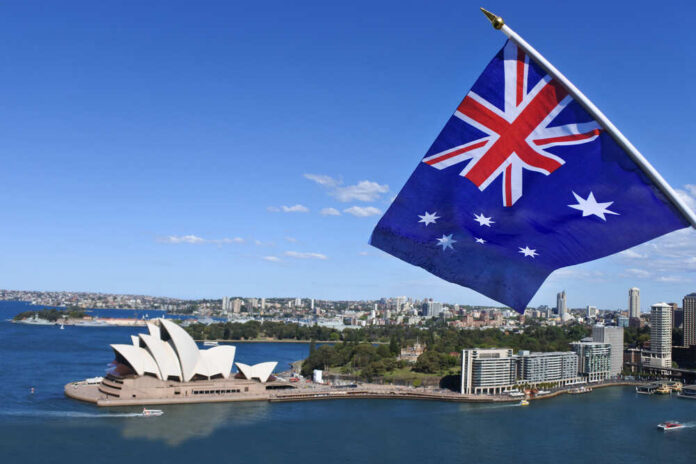
Australia stands on the brink of fuel rationing with just 26-29 days of reserves left, exposing decades of failed green policies that crippled energy independence.
Story Snapshot
- Iran’s blockade of the Strait of Hormuz since February 28, 2026, disrupts 20% of global oil, hitting Australia’s 90% import-dependent fuel supply hard.
- Only two refineries remain operational after closures driven by climate regulations and cheap Asian imports, slashing reserves from 310 days in 2002.
- Government releases 750-762 million litres from stockpiles, but panic buying and regional shortages threaten farmers and food security.
- Petrol prices surged 50 cents per litre to $2.19, fueling inflation while experts warn of rationing if Middle East conflict persists.
Crisis Triggered by Middle East Blockade
Iran blocked the Strait of Hormuz on February 28, 2026, halting 20 percent of seaborne oil through this vital chokepoint. Australia, importing 90 percent of its refined petroleum from South Korea, Singapore, Malaysia, and Taiwan, faces immediate supply shocks. Ships still reach ports, but panic buying in regional areas has emptied local tanks. Energy Minister Chris Bowen declared a national crisis, blaming demand spikes rather than total depletion. This vulnerability stems from globalist supply chains that conservatives have long warned against.
Decline in Domestic Refining Capacity
Australia once ran eight oil refineries but now operates only Viva Energy in Geelong, Victoria, and Ampol Lytton in Brisbane, Queensland. Domestic oil resources dwindled, and environmental regulations plus cheaper Asian refining shuttered the rest. Reserves plummeted from 310 days in 2002 to 26-29 days today. Post-Ukraine invasion, Minimum Stock Obligations slowed the drop but failed to rebuild stocks. Critics like One Nation MP Barnaby Joyce blame climate policies for this energy weakness, echoing frustrations with overregulation that prioritizes agendas over security.
Government’s Emergency Measures and Price Surge
Minister Chris Bowen released up to 762 million litres of petrol and diesel from reserves, with reports confirming 750 million litres tapped. For 60 days, fuel quality standards dropped to sell higher-sulphur products, adding 100 million litres monthly. Petrol prices jumped nearly 50 cents per litre across five major cities, from $1.69 to $2.19 by mid-March. Bowen rules out rationing for now, predicting stability in 30 days if tensions ease. Opposition Leader Angus Taylor slams Labor for mismanagement inflating costs on families.
Threats to Agriculture and Rural America Parallels
Farmers warn fuel shortages during harvest could trigger food rationing and supply chain breakdowns. Rural distributors report empty tanks with no resupply, grounding trucking fleets. Manufacturing and transport face halts, risking economic slowdown. Here in America under President Trump, we’ve secured borders and energy dominance through drilling—avoiding Australia’s folly of green overreach and import reliance. Their crisis underscores why conservative policies prioritize self-reliance, protecting family farms and wallets from global chaos.
https://twitter.com/zerohedge/status/2034434710730846560
Calls for Energy Policy Reform
The Australia Institute highlights structural insecurity, while farmers stress energy-food links. Long-term, experts demand more refineries and eased regulations to boost independence. Debate rages over climate rules trading security for unproven agendas. With reserves critically low, prolonged blockade intensifies pressures. This mirrors past leftist fiscal mismanagement—overspending on globalism while neglecting basics. President Trump’s America leads with fossil fuel revival, proving limited government and domestic production safeguard against such disasters.
Sources:
SBS News: Australia Faces One-Month Fuel Supply Crisis Amid Middle East Conflict
Macquarie University Lighthouse: Could Australia Run Out of Petrol