A deadly Spanish wildfire that killed at least a dozen people is the latest warning that ordinary families, not distant elites, pay the price when heatwaves and disaster planning collide.
Story Snapshot
- At least 12 people were killed in a fast-moving wildfire near Almería in southern Spain.
- Regional officials say 19 people are still missing as crews search burned cars and homes.
- About 150 firefighters were deployed as extreme heat and wind turned a local blaze into a major tragedy.
- The fire highlights how rising fire risk and slow governments leave everyday people exposed while Europe’s “solutions” mostly help the powerful.
Deadly wildfire tears through holiday region in southern Spain
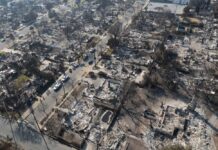
Andalusia’s regional leader Juanma Moreno said at least 11 people have died and 19 remain missing after a wildfire swept through the Los Gallardos area near Almería, a coastal region popular with tourists. Emergency officials later told reporters that the death toll had risen to 12, with several victims found inside burned vehicles along local roads. Several news outlets described it as one of Spain’s deadliest recent wildfires. The final number of victims may grow as crews reach more remote areas.
Local reports say the fire started in forested hills above small towns and villages, then raced downhill toward homes and highways as strong winds pushed flames forward. Many victims appear to have died while trying to escape by car, trapped when smoke, heat, and blocked roads made driving impossible. The region is home to retirees, working families, and foreign visitors, showing how disasters hit all kinds of people, not only those already struggling. Residents described scenes of panic as skies turned orange and power lines failed.
Heatwave, high fire risk, and a stretched emergency system
Spain has faced a wave of wildfires this summer, with at least 14 fires burning at one point across the country and thousands forced to leave their homes. Scientists who study fires in Southern Europe note that Spain has recorded the highest number of wildfire deaths in the region over the last 70 years, with many victims dying from burns and suffocation. Long dry seasons, hotter summers, and drought make forests and scrubland easy fuel. At the same time, more roads and housing push people into high-risk zones where a single spark can threaten entire communities.
The Almería fire hit during a strong heatwave that drove temperatures far above normal, drying plants and stressing power and water systems. Emergency services deployed about 150 firefighters, trucks, and aircraft to fight the blaze, but officials still labeled it “the most devastating fire to date” in Spain this year. European Union reports say 2026 has already brought one of the largest regional wildfire responses ever as Spain, Portugal, France, and Greece all battle major fires. Yet despite big plans and press events, local crews often lack enough staff, gear, and training to keep pace with fast-moving firestorms.
Ordinary people carry the risk while elites debate climate and energy
Research on Spanish wildfires finds that most ignitions are linked to human activity, including roads, farming, and careless behavior, meaning better prevention and planning could save lives. Critics argue that greater investment in vegetation management, evacuation planning, and infrastructure could reduce wildfire losses.
For many Americans watching this story, the pattern feels familiar. Governments talk about climate change, infrastructure, and disaster readiness, yet real fixes move slowly while regular people face rising insurance costs, blackout risks, and higher energy prices. The disaster has renewed debate over wildfire prevention, land management, energy policy, and climate adaptation. Liberals see proof that powerful interests and fossil fuel companies still shape policy while poor and rural communities live on the front line with the least support.
Why this Spanish fire matters far beyond Europe
History shows that deadly summer fires in Southern Europe are not rare accidents but part of a growing pattern tied to land use, weather, and government choices. The Almería tragedy underscores how, when warning systems and emergency plans fall short, people die on roads and in homes despite hours of advance notice about heat and wind. That is the same core fear many Americans have about their own leaders: when a real crisis comes, the plans on paper may fail, and ordinary citizens will be left to fend for themselves.
At least 12 people have lost their lives after a fast-moving wildfire swept through Spain's Almería province, with soaring temperatures, strong winds, and dry conditions accelerating the flames.
Hundreds of firefighters and emergency personnel have been deployed to battle the… pic.twitter.com/js7JKg1tyX
— The Pioneer (@TheDailyPioneer) July 10, 2026
At the same time, confusion over basic facts about the fire—whether 11 or 12 have died so far, how many are missing, and what caused the blaze—shows how fast news cycles and social media can muddy understanding. In Spain, various outlets reported changing numbers as new bodies were found, while posts mixed footage from other fires in France and Portugal. That chaos lets officials dodge hard questions and lets online voices spin fear or blame without real data. For readers in the United States, it is a reminder to demand clear, verified information during any disaster, from wildfires to industrial accidents, instead of trusting either official spin or viral clips alone.
Sources:
youtube.com, facebook.com, yahoo.com, tiktok.com, abc.net.au, france24.com, instagram.com, ecohubmap.com, ctif.org