

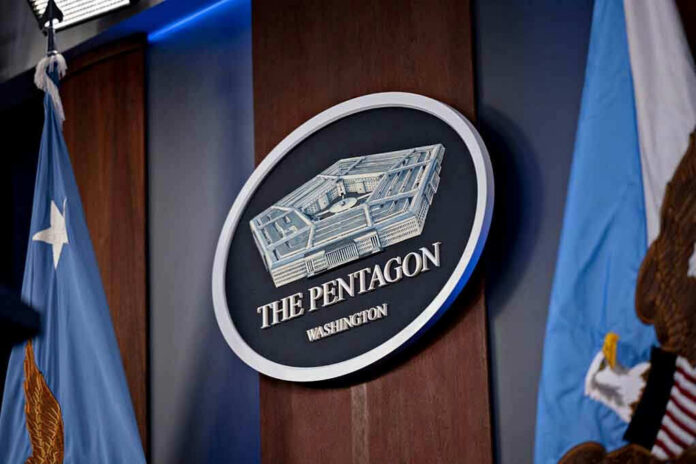
Defense Secretary Pete Hegseth says the impeachment drive is “politics of personal destruction,” even as Congress readies a vote and the White House rallies to his side.
Story Snapshot
- Hegseth vowed impeachment “won’t work,” casting it as political and personal.
- Rep. Thomas Massie, a Republican, filed eight impeachment articles over war and conduct.
- House timing slipped to November after an early recess; a vote is expected when members return.
- Analysts see no clear two-thirds Senate path to convict and remove Hegseth.
What Hegseth Said And Why It Matters
On November 5, Hegseth posted a video saying the impeachment push is about “politics of personal destruction” and that it “won’t work with me.” He projected confidence and framed the fight as political theater. He compared the effort to past partisan battles and urged supporters to hold firm. His video did not address each allegation in detail. It focused on resolve and loyalty, not documents or legal points, which leaves the claims to Congress to test with evidence.
Hegseth’s stance came as administration allies moved to bolster him in public. Reporting said the Pentagon and the White House defended his leadership. President Trump praised Hegseth’s work as “fantastic.” The White House also boosted a supportive video, signaling a coordinated defense. That support helps Hegseth’s standing today, but it also lets critics say the response is more politics than proof. Both things can be true at once in Washington.
What Is In The Impeachment Articles
Representative Thomas Massie filed eight articles. They accuse Hegseth of running the Iran conflict without a vote from Congress and ignoring time limits in the War Powers Resolution. They allege failure to limit civilian harm, unlawful killings of suspected drug traffickers at sea, retaliation against Senator Mark Kelly, directing a plan to seize Venezuela’s leader without legal authority, and unauthorized operations in Yemen. Massie calls this abuse of power, not policy disagreement.
One set of claims centers on deadly maritime strikes. A Navy admiral told lawmakers there was no “kill them all” order from Hegseth. Even so, a video of one attack that killed two survivors triggered hard questions on rules for force at sea. Lawmakers sought answers on who approved what, and when. That mixed record shows why hearings matter: some allegations may weaken under scrutiny, while others could be reinforced by evidence.
The Congressional Path And The Clock
Massie introduced the resolution in September, but the House left town when Speaker Mike Johnson ended the session early for the campaign recess. Members were expected back on November 9, when Massie planned to renew the push. That delay did not kill the effort; it reset the clock. It also raised the stakes by moving any vote into a tense post-election window, when power shifts and blame are most raw.
The Senate picture looks different. Analysts reported no sign of the two-thirds vote needed to convict and remove a Cabinet official. That matters because impeachment and removal are two steps. The House can impeach by a simple majority; the Senate needs a supermajority to convict. The gap between the steps can turn a House action into a warning shot that never becomes removal, as history shows.
Why This Fight Hits A National Nerve
Americans across the spectrum see a pattern: Washington argues while big problems pile up. War decisions look hidden. Oversight feels late. Members of both parties say they stand for the people, yet many voters think the system protects the powerful. This case taps those fears. Is Congress asserting the law on war and life-or-death force? Or is this another factional brawl that dodges the facts? The answer depends on what records and sworn testimony emerge.
MASSIE’S LAME-DUCK IMPEACHMENT PLOT AGAINST HEGSETH IS A PARTING GIFT TO THE DEMOCRATS
Outgoing Rep. Thomas Massie is not leaving quietly. The Kentucky Republican, already rejected by his own voters in a primary after President Trump backed a challenger, now plans to force a…
— Sami Nathaniel (@NathanielSami) November 6, 2026
Cabinet impeachments are rare, which makes this moment unusual. William Belknap’s 1876 case still stands as the lone example. The House impeached him, but the Senate did not convict. That split outcome is a reminder: accountability fights can be real and still fall short in the end. The country benefits when Congress gets the facts, tests them in daylight, and separates political heat from legal proof before voting.
Sources:
military.com, abc6onyourside.com, nbcnews.com, economictimes.com, cnn.com, usatoday.com, themirror.com, cambridge.org