Megyn Kelly’s recent public fallout with Bari Weiss over accusations of promoting antisemitism has left conservative circles buzzing with questions of free speech and ideological betrayal.
Story Highlights
- Megyn Kelly and Bari Weiss’s friendship has ended over a media spat involving Ben Shapiro.
- Weiss promoted Shapiro’s speech, which called out Kelly for tolerating conspiracy theorists.
- Kelly responded by accusing Weiss and Shapiro of potentially fueling antisemitism.
- Kelly hints at more revelations about Weiss, furthering the public dispute.
Megyn Kelly’s Rebuttal and Accusations
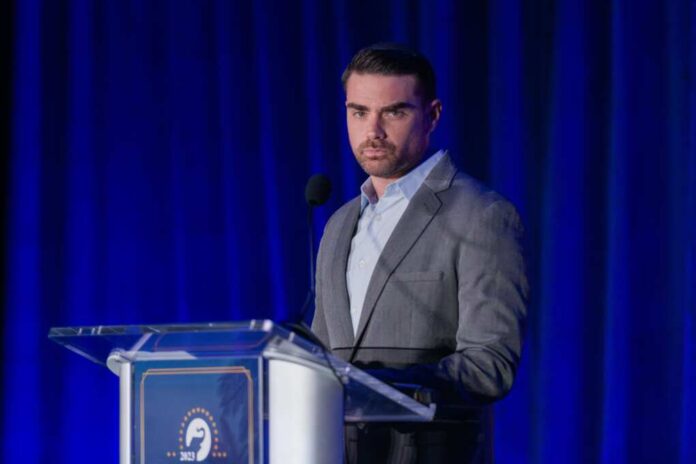
Megyn Kelly’s relationship with Bari Weiss, once characterized by a shared stance against progressive orthodoxy, has taken a dramatic turn. In recent developments, Kelly publicly severed ties with Weiss, accusing her of promoting a narrative that fuels antisemitism. This discord stems from Weiss’s endorsement of Ben Shapiro’s speech titled “Only Cowards Tolerate Conspiracy Theorists,” which criticized Kelly’s willingness to engage controversial figures.
🚨🇺🇸🇮🇱 BREAKING: Megyn Kelly claims that Ben Shapiro & Bari Weiss are responsible for 'making antisemites,' not Tucker Carlson. pic.twitter.com/OC55b6PDnn
— Legitimate Targets (@LegitTargets) December 23, 2025
Weiss’s Role and Shapiro’s Influence
Bari Weiss, a senior figure at CBS News, has been at the center of this media storm. She promoted Shapiro’s speech through her platform, The Free Press, which many interpreted as a direct attack on Kelly. Shapiro’s speech condemned the tolerance of conspiracy theorists, implicitly targeting Kelly’s approach. Weiss’s decision to amplify Shapiro’s message rather than support Kelly underscores the ideological rift between them.
Shapiro, a prominent conservative commentator, has been vocal about policing what he considers conspiratorial elements within the conservative movement. His influence in shaping the narrative against Kelly highlights the tensions within right-of-center media circles.
Implications for Conservative Media
The fallout between Kelly and Weiss raises significant questions about the future of conservative media. As the divide widens, audiences may find themselves aligning with either Kelly’s open-dialogue approach or Weiss and Shapiro’s more exclusionary stance. This schism could redefine norms around free speech and the handling of controversial topics within the heterodox media landscape.
As Kelly promises further revelations about Weiss, the unfolding saga continues to capture the attention of conservative audiences. It underscores the ongoing debate over how best to engage with contentious rhetoric and the boundaries of free speech in media discourse.
Sources:
https://www.aol.com/news/megyn-kelly-blames-israel-conservative-163258648.html?utm