
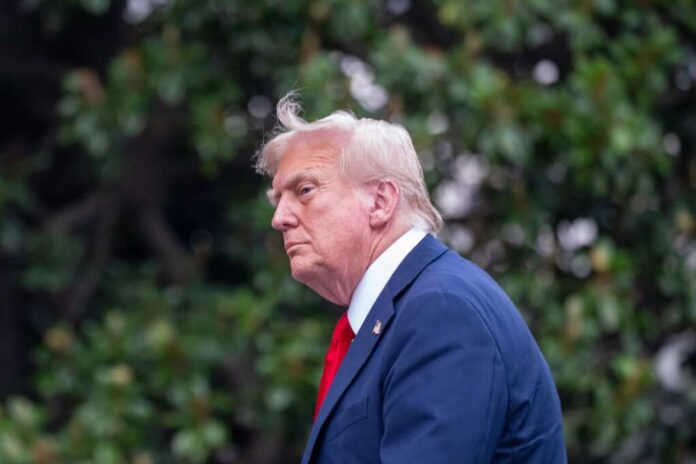
A sweeping surprise intervention by President Trump challenges his past policy positions, as the U.S. assumes governance over Venezuela.
Story Snapshot
- Trump authorized a military operation capturing Venezuelan leader Nicolás Maduro.
- The U.S. will govern Venezuela indefinitely, pending a “proper transition.”
- This marks a reversal in Trump’s previous stance against nation-building.
- The move could reshape U.S. foreign policy and Latin American dynamics.
Trump’s Bold Move in Venezuela
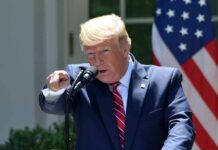
President Donald Trump has made headlines with a decisive military operation that ousted Venezuelan strongman Nicolás Maduro from power. This action, followed by the announcement that the United States will govern Venezuela for an indefinite period, marks a stark contrast to Trump’s earlier campaign promises against prolonged foreign interventions. The operation, executed overnight, underscores a shift in U.S. foreign policy that could have far-reaching implications.
Despite Trump’s initial opposition to nation-building, the decision to take control over Venezuela’s governance suggests a pragmatic approach to addressing regional instability and economic opportunities. The country of nearly 30 million people is now under U.S. governance, raising questions about the long-term commitments and impacts on both the U.S. and Venezuela. Critics have highlighted the apparent contradiction in Trump’s actions, considering his earlier critiques of similar interventions in Iraq and Afghanistan.
Economic and Political Implications
The U.S. government’s decision to govern Venezuela indefinitely includes significant economic and political considerations. Venezuela’s vast oil reserves are a focal point, as the U.S. seeks to exert control over these resources amidst a struggling local economy. Trump’s declaration that the U.S. will “run” Venezuela until a “proper transition” occurs hints at potential economic dominance and influence over the region. This intervention could redefine U.S. relations with Latin America and set a precedent for future foreign policy decisions.
As the U.S. assumes governance, the Venezuelan government’s operations will align with American directives, promising a shift in administrative priorities and processes. The impact on Venezuelan citizens, who now face an extended period under foreign governance, remains uncertain. Regional responses to this intervention are yet to be fully understood, as neighboring countries assess the implications of U.S. dominance in the region.
Potential Challenges and Critiques
The New York Times has raised concerns about the risks associated with this new era of U.S. intervention. The indefinite nature of the governance and the lack of a clear timeline for transition pose questions about the sustainability and effectiveness of such an approach. There is also uncertainty regarding the extent of congressional oversight and international reactions to this bold move. As the global community watches, the U.S. faces the challenge of balancing its strategic interests with the moral implications of governing a foreign nation. Building the Future (Part 2) | Ryan Rolls —
As Trump navigates this complex landscape, the decision to govern Venezuela represents both an opportunity and a risk. It challenges established norms and could redefine American engagement in international affairs. The success of this initiative will depend on effective governance, clear objectives, and addressing the needs and aspirations of the Venezuelan people.
Sources:
Trump Rolls the Dice on Nation-Building
Trump Plunges the U.S. Into a New Era of Risk
No One Wants a Shutdown This Time