
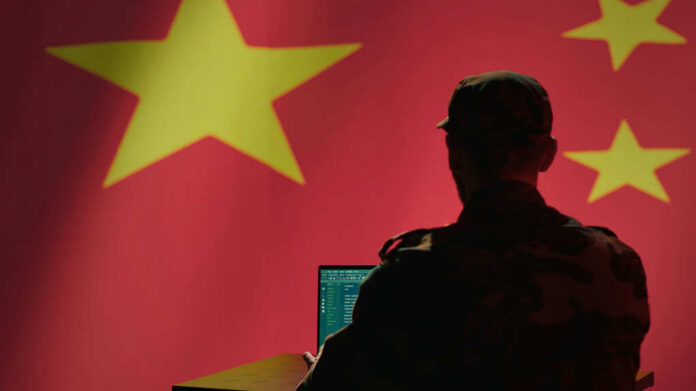
For six years, top spies sat on proof that China accessed U.S. voter data, while both parties told Americans the 2020 election was secure.
Story Snapshot
- U.S. intelligence knew in early 2020 that Chinese operatives accessed voter registration data in several states.
- A declassified memo shows Chinese intelligence analyzed that data to study American public opinion in the 2020 race.
- Justice Department and Homeland Security still say no foreign power changed votes or hacked core election systems.
- The long delay in sharing these facts fuels growing distrust of the “deep state” from both the right and the left.
What Trump Is Expected To Claim On Thursday Night
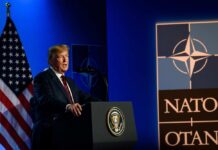
President Donald Trump is expected to use his primetime speech to accuse China of meddling in past U.S. elections and to say Beijing “compromised” American voter data. His team is pointing to newly surfaced documents and media reports showing Chinese intelligence accessed and analyzed voter registration data from multiple states in 2020. Trump is also likely to charge that the Central Intelligence Agency (CIA) and other agencies hid this information from the public and from Congress for years, reinforcing his long‑running argument that a corrupt elite protects itself first and the voters last.
These claims draw on a once‑classified National Intelligence Council memo from April 2020 stating that Chinese intelligence officials analyzed voter registration data from several U.S. states to conduct public opinion analysis on the 2020 general election. Current and former officials say U.S. agencies had raw reports by spring 2020 showing China had gained access to American voter registration data across multiple states, along with finished intelligence products and at least one presidential daily briefing referencing those breaches. For many Americans on both the right and the left, the real shock is not just what China did, but how quietly Washington buried the story.
What The Declassified Intel Actually Shows About China And Voter Data
The declassified National Intelligence Council memo is narrow but important: it confirms that Chinese intelligence officials obtained voter registration data from multiple states and used it to analyze American public opinion in the 2020 election. That means Beijing could study where people lived, how districts leaned politically, and which groups might be most vulnerable to targeted messaging or future pressure campaigns. Other reporting based on interviews with officials indicates U.S. intelligence collected several raw reports between February and June 2020 documenting Chinese access to voter registration databases and describing these incidents as “penetrations” of voter files. Put simply, foreign agents looked inside parts of America’s voter rolls, and Washington knew early on.
Some accounts go further and suggest Chinese operatives tested ways to turn that data into “active measures.” One report claims there is evidence China later obtained or used fake driver’s licenses with the hope of receiving absentee ballots during the COVID‑era expansion of mail voting, potentially to cast ballots using identities of people who had moved or did not exist. However, public documents so far do not prove that any ballots were actually cast this way or that any vote totals were changed. That gap between access and proven manipulation is central to today’s fight over how serious this breach was and how honest U.S. agencies have been in explaining it.
What DOJ, Homeland Security, And The Intelligence Community Say About Vote Security
In 2021, the Department of Justice and the Department of Homeland Security released a joint report stating they had no evidence that any foreign government‑linked actor prevented voting, changed votes, or disrupted the tallying or transmission of election results in 2020. The same report said foreign campaigns by Russia and Iran did compromise some networks that managed election functions but did not materially affect the integrity of voter data, the ability to vote, or the tabulation of votes. In other words, officials admit some systems were touched, but insist the core process of casting and counting ballots remained intact.
A separate declassified assessment from the Office of the Director of National Intelligence reached a similar conclusion about China, stating that Beijing did not interfere with election infrastructure and did not attempt to change the presidential election outcome. Former officials told reporters that, in their view, China did not gain entry to protected voter systems but instead pulled information from online sources, such as public voter files and data brokers. This official line is why many in the media describe new claims of vote manipulation as “not credible” and label renewed debate over 2020 as recycled conspiracy theories. Still, none of these reports squarely confront the question of why voter‑data access and analysis were kept out of public view for so long.
Why The Six‑Year Silence Feeds Deep Distrust Across The Political Spectrum
The biggest political fallout may come from the timing, not just the content, of these revelations. Reports based on interviews with current and former officials say U.S. intelligence agencies knew by April 2020 that Chinese intelligence had voter registration data from multiple states and were analyzing it with an eye toward the election. Yet this information stayed classified or heavily redacted for years, with the public learning only fragments much later through declassification and investigative reporting. For many Americans who already feel the federal government serves the “deep state” more than ordinary citizens, this looks less like protection and more like a cover‑up.
President Trump is expected to make major revelations in his prime-time speech Thursday night about foreign election interference.
Multiple sources say he will disclose shocking new intelligence from the FBI, CIA, and ODNI showing foreign meddling in recent U.S. elections,…
— elENoCHle (@NewsBlast17) July 14, 2026
Conservatives see confirmation that powerful bureaucrats ignored or buried threats that might have hurt Trump, while liberals see another example of secretive agencies deciding what the public is “allowed” to know about election risks. Both sides worry that elites treat voters as pawns rather than partners. At the same time, official statements that “no votes were changed” clash with clear evidence that foreign powers touched voter data and studied how Americans think. The result is a dangerous fog: people sense something is wrong, but cannot get a full, honest accounting from the institutions meant to protect democracy. Until raw reports, internal CIA memos, and state‑level forensic audits are fully released, the country will be left arguing over partial truths while trust in the system keeps sliding.
Sources:
thegatewaypundit.com, justice.gov, reuters.com, justthenews.com, cambridge.org, youtube.com