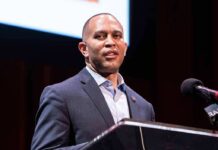

Sen. Ted Cruz warned that “Americans will die” if Michigan Democrat Abdul El-Sayed wins and later sits on the Senate Intelligence Committee, thrusting a heated campaign claim into the national security arena.
Story Highlights
- Cruz said El-Sayed’s possible Intelligence Committee seat could endanger Americans.
- El-Sayed denied ties to the Muslim Brotherhood and disavowed the group.
- News outlets reported no public evidence proving Cruz’s core allegation.
- Senate Intelligence Committee rules tightly control classified access.
What Cruz Said And Why It Landed With Force
Sen. Ted Cruz, campaigning in Michigan, tied a possible El-Sayed win to a future seat on the Senate Intelligence Committee. He said Democratic Leader Chuck Schumer could make that assignment. He warned that, if he is right that El-Sayed backs the Muslim Brotherhood, “Americans will die” as a result. Major outlets repeated the warning across the week, showing how fast a charged line can shape a race. The claim centers on control of secrets and the risk to troops and covert assets.
Government labels El-Sayed a national security threat
US President Donald Trump and senior Republican lawmakers have accused Michigan Democratic Senate candidate Abdul El-Sayed of posing a national security threat, raising concerns about his alleged links to the Muslim… pic.twitter.com/j9aLQcrMFT
— Rifnote (@viarifnote) October 28, 2026
Cruz’s statement hit shared nerves about trust and government oversight. Voters on the right and left worry that insiders can bend rules and put people at risk. The idea that a new senator could enter the chamber and gain access to the nation’s most guarded intelligence feels like a pressure point in the system. That is why this line drew attention well beyond Michigan. It framed a familiar fear: the system protects itself, not the public.
El-Sayed’s Response And The Evidence On The Table
Abdul El-Sayed flatly denied any tie to the Muslim Brotherhood and disavowed the group. He said he and his family have “no ties” and that the Constitution would guide his work if elected. He added that he is “running for U.S. Senate and happen[s] to be Muslim,” pushing back on claims of dual loyalty. Coverage from The Hill said there is no public evidence that he is a member of the Muslim Brotherhood, labeling the accusation baseless in the available record.
The gap between charge and proof is the key tension. Cruz framed a worst-case scenario, but did not present documents, witnesses, or confirmed records linking El-Sayed to Brotherhood entities in the public domain. Reporters documented the warning and the stakes. They did not produce corroborating files that tie El-Sayed to a plan or to mishandling classified material. Voters are left to weigh the gravity of the claim against the lack of published evidence so far.
How Senate Intelligence Access Actually Works
Committee assignments come from party leaders, but classified access is not a free-for-all. The Senate Select Committee on Intelligence’s rules restrict who can see what. Access is limited by security clearances and by a need-to-know tied to official duties, with firm rules controlling disclosure. Members handle secrets under strict procedures set by Senate resolutions and by classification law. These processes exist to reduce the chance that one person can act alone and cause harm.
That structure matters for risk. Even if a new senator receives an Intelligence Committee seat, staff and information flows are managed and monitored. Members face legal penalties for wrongful disclosure. While no system is perfect, the rules aim to separate rhetoric from reality by adding layers of control. This design reflects a core American idea: power should be checked and spread out, especially over life-and-death intelligence matters.
Why This Story Resonates With Broader Distrust
Americans across parties feel that Washington often puts politics over duty. Claims about secret access and national security touch that sore spot. People who remember past failures—wars sold on bad intel, leaks that hurt allies, or agencies that dodge blame—hear this and worry. Others hear the charge and see a smear built on faith and fear. Both reactions spring from the same root: low trust in a system that seems to answer to itself first.
@Newsweek Senator Ted Cruz warned that ‘Americans will die’ if Michigan Democratic Senate candidate Abdul El-Sayed wins and is appointed to the Senate Intelligence Committee, claiming his alleged support for the Muslim Brotherhood could put American lives at risk.
— Newsweek (@Newsweek) October 28, 2026
For voters sorting facts from heat, three questions help. First, what is proven versus alleged? Here, Cruz’s warning is documented; the specific tie is not established in public records. Second, what guardrails exist? Senate Intelligence rules set real limits on classified access. Third, what would accountability look like if rules were broken? Federal law and Senate procedures allow investigations and penalties. Those checks do not end debate, but they narrow the real-world risk window.
Sources:
youtube.com, yahoo.com, critiqueanddigest.substack.com, thehill.com, cnn.com, washingtonpost.com, intelligence.senate.gov