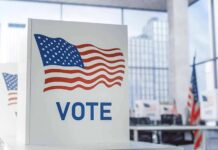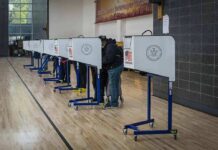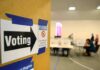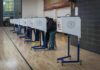

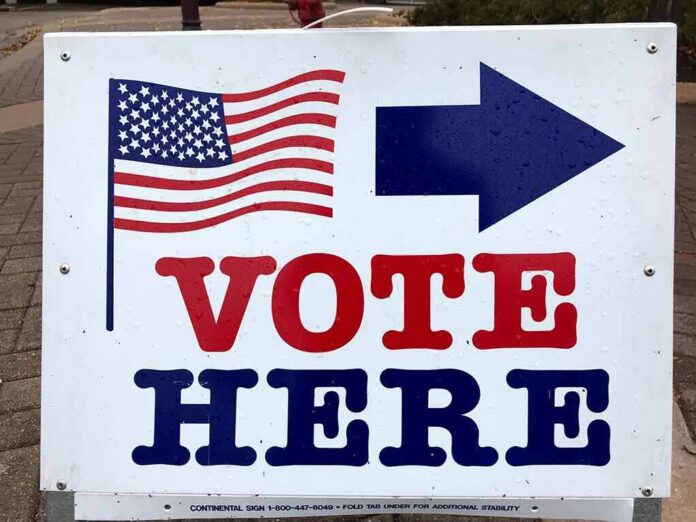
Election Day arrived on schedule across key battlegrounds, with Ohio, Michigan, and Texas opening polls today under state-set hours and rules.
Story Highlights
- Ohio, Michigan, and Texas set November 3, 2026 as General Election Day.
- Polls opened in Ohio from 6:30 a.m. to 7:30 p.m.; Texas from 7:00 a.m. to 7:00 p.m..
- Michigan held the general election today and used a statewide early-voting window Oct. 24–Nov. 1.
- Federal schedules also recognized the November 3 timeline in these states.
What Was Scheduled To Happen Today
State election calendars set the legal timetable for today’s voting. Ohio listed November 3, 2026 as its General and Special Election Day and set polling hours from 6:30 a.m. to 7:30 p.m.. Texas identified the same date for Election Day and set polls to run from 7:00 a.m. to 7:00 p.m. statewide. Michigan marked November 3, 2026 as the general election date on its official calendar. These documents define when voters can cast ballots.
Federal agencies reflected the same timing. The Federal Voting Assistance Program listed Tuesday, November 3, 2026 as the general election and included Ohio, Michigan, and Texas in its planning materials. The Federal Election Commission tracked federal election activity through today for Ohio and Texas, aligning national reporting dates with state operations. These federal schedules do not run elections, but they help guide campaigns, compliance, and get-out-the-vote work.
How Michigan’s Early Voting Fit Into Today
Michigan’s system paired today’s in-person voting with an early-voting period. The Michigan Secretary of State identified a constitutionally required early-voting window from October 24 through November 1, leading into the November 3 general election. That structure spreads traffic across days and can ease lines on Election Day. It also changes how ballots arrive and are processed, which matters for reporting timelines and public expectations about when results appear.
Different state hours are normal and set by law. Ohio ran 6:30 a.m. to 7:30 p.m.; Texas ran 7:00 a.m. to 7:00 p.m.. Michigan’s calendar fixed the date while local rules covered hours. Cross-state coverage can gloss over those differences, which can confuse viewers who track multiple states at once. Clear reminders of local hours help voters plan and help newsrooms avoid mixing timelines when comparing turnout or closing times across states.
Why Today Matters Beyond One Party
Today’s voting decides who writes laws, spends tax dollars, and sets priorities in a time of deep frustration. Many conservatives blame high costs, border failures, and top-down rules. Many liberals point to cuts in social programs, fossil fuel reliance, and widening gaps between rich and poor. Voters across both camps see a federal system that too often serves insiders first. Local election rules and clear timelines are basic tools to keep power answerable to the public.
Election administration is decentralized, so counties carry heavy loads. Research on polling-place logs shows that more ballots and complex workflows can raise incident rates, while experienced staff and strong systems help reduce them. Calendars and posted hours set expectations; trained people, working machines, and clear procedures turn those plans into real votes. That is where trust is earned, precinct by precinct, regardless of who wins a seat tonight.
How To Read Election Night Reporting
Early voting, absentee returns, and provisional ballots move on different tracks. Michigan’s early-voting window and absentee volume can shape when totals update. Texas and Ohio also manage mail ballots and provisional ballots under their own rules. Federal schedules confirm the date but not the pace of counting. Viewers should expect updates to land in waves as counties follow their processes. That pattern reflects procedure, not preference.
US Midterm Elections: Voting Underway on November 3, 2026
Americans are voting today in the 2026 midterm elections, held midway through President Donald Trump’s second term. These contests will determine control of Congress for the remaining two years of the administration and…
— Deimos News (@DeimosNewsUSA) November 3, 2026
For voters, the action items are simple. Know your state’s hours before heading out. Bring needed identification where required. If you voted early, track your ballot using the state portal if offered. If you face a problem at a site, ask a poll worker for help and document the issue. These small steps help protect your voice. In a country weary of elites and empty promises, casting a ballot remains a direct way to be counted.
Sources:
youtube.com, ohiosos.gov, sos.texas.gov, michigan.gov, fvap.gov, fec.gov