
Police say an AirTag led them to a state lawmaker’s property after her opponent’s campaign signs went missing, and she now faces a larceny charge days before voters head to the polls.
Story Snapshot
- Easton police issued a sixth-degree larceny summons to State Rep. Anne Hughes after missing signs pinged on her property.
- Darrell Harris’s campaign used hidden AirTags to track at least one sign to Hughes’s address, prompting police contact.
- Hughes admitted removing the signs, apologized, and said they were placed in a prohibited road right of way.
- House leadership said there will be no legislative discipline while the case proceeds, keeping focus on the courts.
What Police And Campaigns Say Happened
Easton police said Harris’s campaign reported several missing signs near Route 59 and Judd Road. A tracker inside at least one sign pinged at property owned by State Representative Anne Hughes, leading officers to contact her. Police said Hughes later returned several signs, including the one with the tracker. After that, officers issued a misdemeanor summons for sixth-degree larceny under state law. A summons is a charge, not a conviction, and the case will move through court.
NBC Connecticut reported the campaign first called police after signs disappeared. The hidden tracker then showed a location tied to Hughes’s property. That created a physical link from a missing sign to the lawmaker’s address. The report said police issued the summons after their follow-up. These steps show how simple tech and a quick police check can turn a sign dispute into a criminal matter, especially during the final stretch of an election.
What The Lawmaker Acknowledges And Disputes
Hughes admitted taking the signs and apologized. She said she should have called police or the campaign instead of removing them. She also said the signs sat in a state road right of way, which she believes violates rules. The New York Times reported that Connecticut’s transportation officials warned that signs are not allowed on state property, including roadways and rights of way. That warning frames her claim but does not decide this case’s facts.
Two facts can be true at once. First, police say there is probable cause to charge larceny based on the removal and the tracker’s ping to Hughes’s property. Second, a court still must decide intent and any legal defenses. Larceny includes the idea of intending to deprive someone of property. The reporting does not show a court ruling on that element or a final judgment. That gap is why this remains an allegation, not a settled verdict.
Why This Small Story Taps Big Frustrations
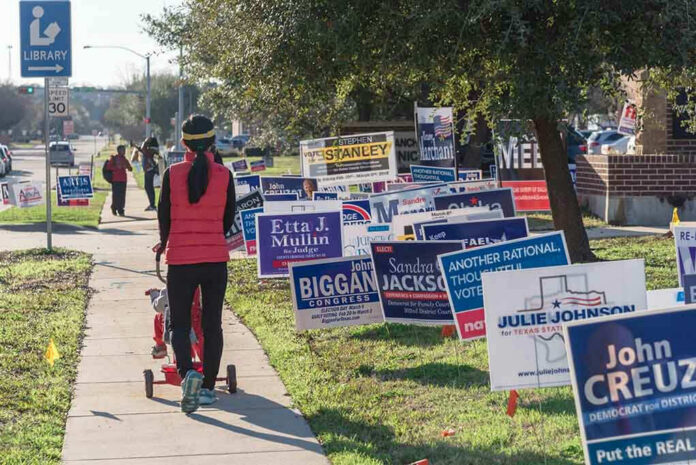
This case blends low-cost political signs, messy rules on public spaces, and a hyper-online campaign season. Voters on the right and the left see another example of rules enforced unevenly and late. The Harris campaign says speech was chilled when signs vanished. Hughes says she acted against signs placed where they are not allowed. Leaders at the state House say there will be no discipline while courts work, which many read as insiders protecting insiders again.
No discipline for Connecticut lawmaker accused of taking campaign signs, House speaker says https://t.co/KmzgeksLdp
— Record-Journal (@Record_Journal) November 2, 2026
Technology changed the stakes. A ten-dollar tracker turned rumor into a police lead. That makes quick narratives spread fast: “stolen signs” on one side, “illegal placement” on the other. The truth likely needs maps, dates, and agency records that are not public yet. Until then, treat it as a charge supported by specific steps—complaint, tracker ping, property link, returned signs, and a summons—balanced against an admitted removal and a claimed right-of-way violation that a court has not resolved.
What To Watch Next
Watch for the police report and any court filing that lays out times, locations, and statements. Look for records from transportation officials on the exact roadside areas at issue. Track whether prosecutors focus on intent to deprive, or on unauthorized removal alone. Finally, note whether lawmakers update sign-placement enforcement so towns collect and log signs instead of campaigns or candidates doing it themselves during a heated race.
Sources:
townhall.com, nbcconnecticut.com, nytimes.com, ctmirror.org