
On the eve of Kristallnacht’s anniversary, a Philadelphia “boycott ride” singled out Jewish-linked eateries by name, turning a protest into a flashpoint over intimidation and discrimination.
Story Highlights
- Activists planned a Nov. 8 bike “boycott ride” past Jewish- and Israel-linked restaurants in Center City.
- Flyers and posts labeled targets “Zionist establishments” and used slurs against business owners, drawing outrage.
- Jewish groups and state officials called the plan antisemitic and urged police to protect businesses.
- The timing, on Kristallnacht’s eve, deepened fears of echoing past attacks on Jewish businesses.
What Was Planned and Who Organized It
Event listings described a “Boycott Ride” set for Sunday, November 8, at 11:30 a.m., starting near Rittenhouse Square in Philadelphia. Reports linked the plan to a coalition that included Boycott CookNSolo, Philly Bike On Your Left, Philly Solidarity Calendar, and allied activist groups. Organizers promoted the ride online, framed it as a boycott action, and named restaurants they said were tied to Israel or Zionism. The ride’s route focused on Center City storefronts.
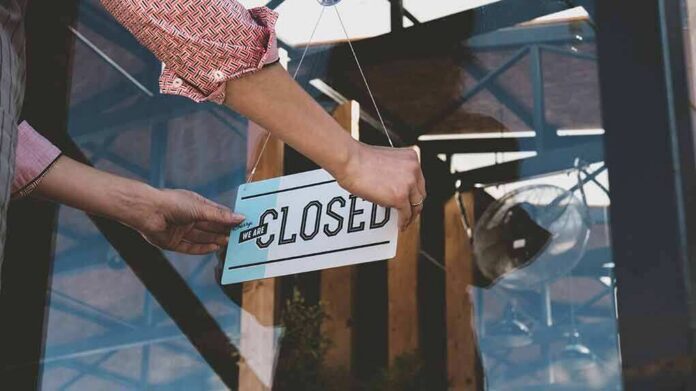
Coverage said the target list included Dizengoff, Goldie, K’Far Cafe, Huda, Schlessinger’s Deli, and Mac Mart. Some of these businesses feature Israeli cuisine or Jewish ownership. A flyer and social posts called them “Zionist establishments,” and one post used the phrase “zio business owners.” That language, paired with naming businesses, led many to view the action as aimed at people, not just policy. Owners said they would keep serving customers and not be scared off.
Why the Timing Sparked Alarm
The ride was scheduled for the day before the anniversary of Kristallnacht, the 1938 Nazi pogrom that targeted Jewish homes, synagogues, and shops. Jewish organizations said the timing sent a menacing signal, even if the stated theme was a boycott. They argued that picking a date tied to violent persecution cannot be brushed off as chance. Reports did not show an organizer explaining the date choice or addressing the historical echo.
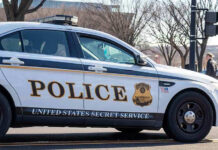
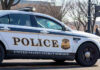
Four Jewish groups, including the Anti-Defamation League’s Philadelphia office and the Jewish Federation of Greater Philadelphia, issued a joint statement. They called the campaign antisemitism and “Jew-hatred” that attempts to push Jews out of civic and economic life. Pennsylvania officials echoed the concern. They urged condemnation and asked police to keep workers and patrons safe. Philadelphia police told media they were prioritizing safety near the listed sites.
Free Speech, Boycotts, and the Line Into Harassment
Activists often use boycotts to send a message, and that is protected speech. But targeting local shops by name, and using slurs, risks crossing into intimidation. Jewish groups said there is a clear line between criticizing a government abroad and pressuring businesses because the owners are Jewish or seen as tied to Israel. They argued the ride’s framing and timing went over that line. The public record so far relies on flyers, posts, and outside statements, not detailed organizer criteria.
In response to this Sunday’s planned boycott of Jewish owned eateries in Philadelphia, StopAntisemitism is proud to join local groups in a food crawl to support the targeted businesses.
Starting at 11:30am, meet at HUDA in Rittenhouse Square and proceed from there.
Bon Appetit! https://t.co/6JdXKQtLAP pic.twitter.com/ochrDG3je5
— StopAntisemitism (@StopAntisemites) November 5, 2026
Key facts remain unclear. Reports do not show how organizers verified any business’s political stance or support for Israeli policy. There is no on-record organizer statement defining “Zionist” or limiting the target set. Without that clarity, the event reads as surrogate targeting, where local businesses become stand-ins for a distant conflict. That pattern raises shared worries across left and right about safety, bigotry, and the power of mobs over ordinary people who are trying to work and serve customers.
Why This Matters Beyond One City
Americans across the spectrum are tired of elites playing politics while small businesses bear the cost. Naming shops and telling people where not to buy adds heat but not solutions. It also hands more power to the loudest voices online. When protests aim at livelihoods tied to identity, the damage can spread fast. That is why officials and community leaders called for firm lines: protect speech, protect safety, and reject any campaign that marks neighbors as outsiders.
Sources:
townhall.com, jns.org, jewishvoicesnj.org, members.jpost.com, fox29.com, nypost.com, jewishinsider.com, jewishchronicle.timesofisrael.com, clevelandjewishnews.com, wfmd.com