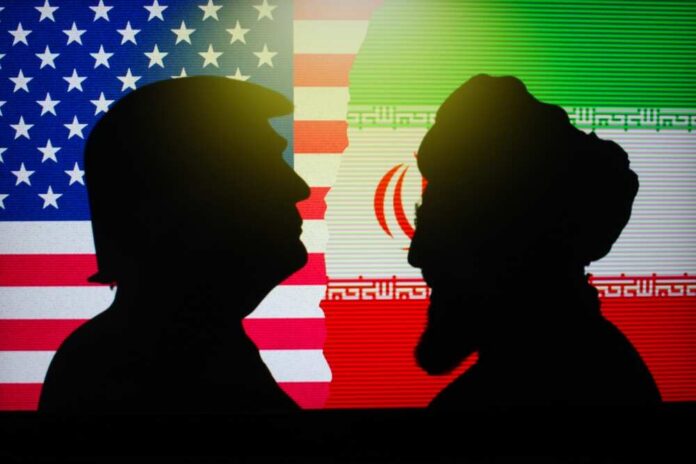
President Trump claims Iran has reached out for a nuclear deal amid escalating tensions, but the Iranian regime’s track record of deception and demands for unrestricted uranium enrichment raises serious questions about whether any agreement can protect American security interests.
Story Snapshot
- Trump states Iran has contacted the U.S. seeking negotiations, calling the outreach “a bit late” after military operations against Iranian nuclear facilities
- Iran reportedly offered temporary enrichment suspension in late February 2026, though Supreme Leader Khamenei publicly rejects halting the nuclear program
- The administration maintains maximum pressure through sanctions, tariffs, and a 15-day ultimatum backed by military deployment including the USS Gerald Ford
- Expert critics warn Trump’s approach risks regional war, while supporters argue decisive action prevents a nuclear-armed Iranian regime threatening Middle East stability
Trump Announces Iranian Contact After Military Strikes
President Trump revealed Iran has initiated contact regarding a potential nuclear deal, though the timing follows devastating U.S. military operations against Iranian nuclear infrastructure. The outreach comes after Operation Midnight Hammer in June 2025 destroyed key nuclear facilities and Operation Epic Fury further degraded Tehran’s capabilities in early 2026. Trump characterized the Iranian approach as tardy, occurring only after maximum pressure campaigns demonstrated American resolve to prevent the regime from obtaining nuclear weapons capability through any means necessary.
Maximum Pressure Campaign Forces Tehran’s Hand
The administration’s comprehensive strategy combines economic warfare with credible military threats to compel Iranian capitulation. Trump signed an executive order imposing additional tariffs on Iran and nations conducting trade with the regime, while deploying substantial military assets to the region. The President issued a 15-day deadline in late February 2026, demanding Iran abandon its nuclear ambitions or face further strikes. This approach represents a stark departure from the failed Obama-era JCPOA, which conservative critics accurately predicted would enable rather than constrain Iran’s nuclear advancement and regional aggression.
Iranian Regime Plays Familiar Deception Game
Despite reports of Iran offering temporary enrichment suspension for sanctions relief and inspections, Supreme Leader Ali Khamenei publicly rejected halting uranium enrichment as “outrageous.” This duplicity exemplifies the regime’s pattern of negotiating in bad faith while advancing its nuclear program. Advisor Ali Shamkhani dismissed American demands as “fantasy,” insisting on unconditional sanctions relief while maintaining enrichment rights. For Americans who endured the previous administration’s appeasement failures, this Iranian double-talk confirms why Trump’s strength-based approach serves national security interests better than diplomatic giveaways that embolden adversaries.
National Security Experts Debate Strategy Effectiveness
Arms Control Association director Daryl Kimball criticized Trump’s policy as “chaotic and reckless,” advocating for inspections and U.S. pledges against military action. However, this establishment viewpoint ignores how previous conciliatory approaches allowed Iran to expand nuclear capabilities, develop advanced centrifuges, and sponsor terrorism across the Middle East. The administration maintains diplomacy remains preferable, but force constitutes a viable option to achieve a deal preventing Iranian nuclear weapons. Iranian Foreign Minister Abbas Araghchi indicated openness to “fair and balanced” proposals through intermediaries, suggesting pressure tactics may produce results where weakness failed.
High Stakes for American Security Interests
The confrontation carries significant implications for regional stability and American credibility. Military escalation risks broader conflict involving Iranian proxy forces and potential disruption of global energy markets, though Iran has paradoxically offered to sell oil to the United States post-agreement. Long-term consequences include either preventing a nuclear-armed theocracy committed to “Death to America” rhetoric, or allowing proliferation that invites regional rivals like Saudi Arabia to pursue their own weapons programs. The choice between decisive action now or managing a nuclear Iran later represents exactly the kind of tough decision that frustrated voters elected Trump to make, rather than kicking threats down the road for future generations.
Trump says Iran has reached out for a deal, but 'a bit late' https://t.co/nAEHW24DLT
— V. W. Burnett (@VWBurnett1) March 6, 2026
Congressional oversight continues as senators probe the administration’s Iran strategy, though the executive branch maintains constitutional authority to defend national security interests. The February 26, 2026 Iranian proposal for temporary suspension remains unverified in details, and historical precedent suggests Tehran often makes public offers while privately maintaining hardline positions. Whether genuine diplomatic breakthrough or tactical delay emerges from current contacts depends on Iran’s willingness to verifiably dismantle nuclear weapons capability permanently, not merely pause enrichment temporarily while extracting concessions that finance future aggression.
Sources:
Trump’s Chaotic and Reckless Iran Nuclear Policy – Arms Control Association
When Operation Epic Fury Is Complete the World Will Be a Safer Place – The White House